
Employee feedback can provide valuable insight into how a relocation program is performing. It can help mobility teams understand what employees value, identify gaps in the relocation experience and guide meaningful program improvements.
But when employees receive too many surveys, encounter questions that do not feel relevant or never see changes tied to their feedback, participation can decline. This is known as survey fatigue.
The real challenge is not always the number of surveys being sent. It is whether employees believe their time is valued and their feedback will lead to meaningful action.
Common Challenges Caused by Survey Fatigue Low Response Rates
Low Response Rates
Employees who feel over-surveyed may decide not to begin another questionnaire or may stop before completing it. As participation decreases, it becomes more difficult to gather a complete and representative view of the employee experience.
Respondent Fatigue
Long surveys, repeated requests and questions that do not feel relevant can lead employees to rush through their responses. Even when a survey is completed, the quality of the feedback may be affected.
Survey Bias
Survey results may not tell the full story. Employees who had an exceptionally positive or negative experience may be more likely to respond, while those whose experience fell somewhere in the middle may remain silent.
This can create an incomplete picture of how the relocation program is performing across the broader employee population.
Brand Erosion
Repeated or poorly timed survey requests can also influence how employees view the mobility program and the organization behind it. Unrelated questions, frequent reminders and requests that appear disconnected from the employee’s experience may make the process feel impersonal.
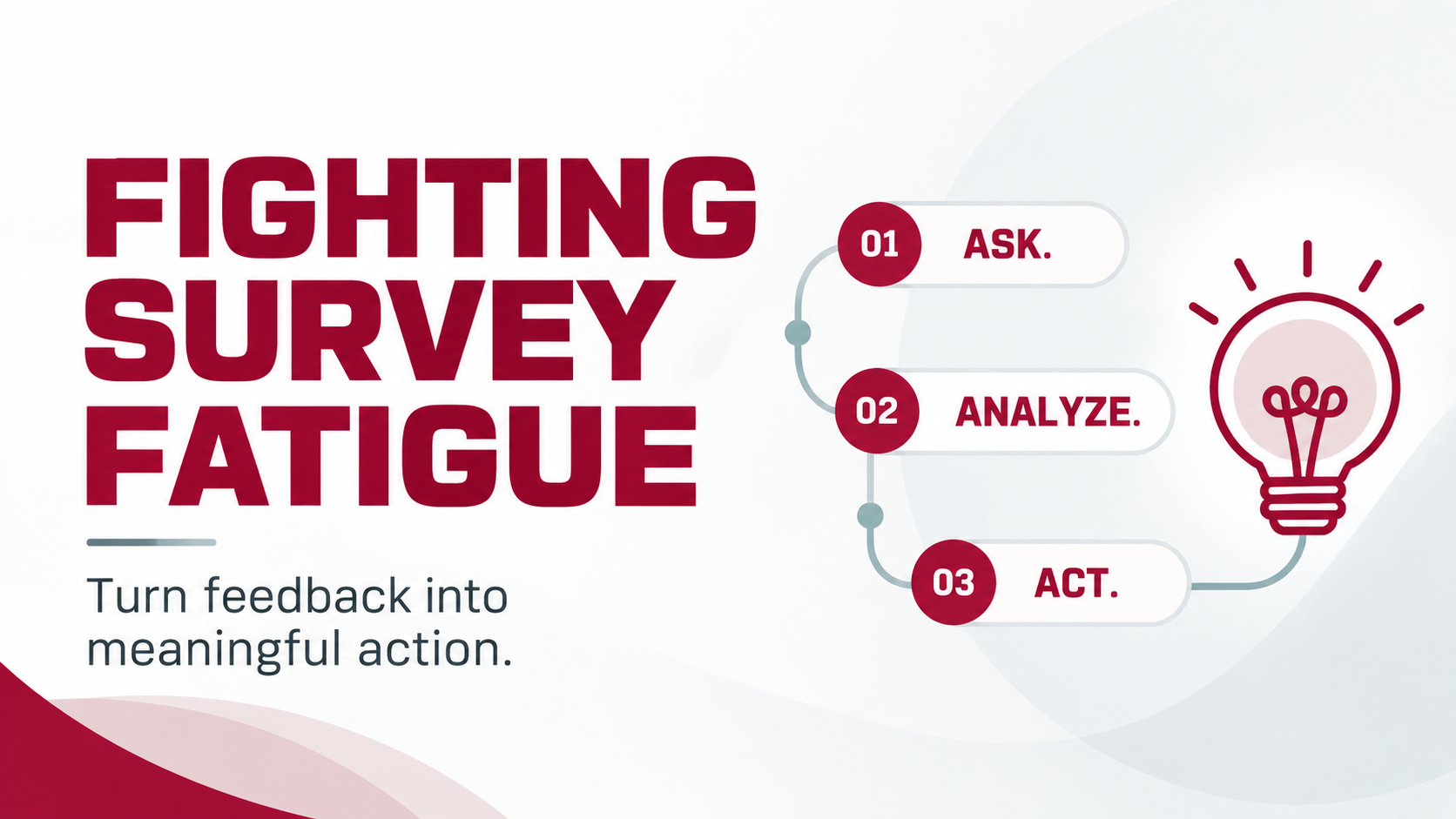
Three Ways to Improve Survey Response Rates
A more thoughtful feedback strategy can help mobility teams collect better information while showing employees that their input matters.
1. Ask
Be intentional about when and how you request feedback.
Focus each survey on a specific point in the relocation journey and ask only the questions needed to understand that experience. Clients can also reinforce the value of the survey by letting employees know why their feedback is being requested.
2. Analyze
Review the feedback for patterns, recurring concerns and opportunities for improvement.
Consider where employees are experiencing frustration, where expectations may be unclear and which parts of the program are consistently receiving positive feedback. Looking beyond individual responses can help identify broader gaps in communication, policy or service delivery.
3. Act
Show employees and stakeholders how feedback is being used.
When survey results lead to a program update, process improvement or communication change, share that information. Being transparent about the actions taken helps employees understand that their feedback was heard and can encourage stronger participation in the future.
Make Every Question Count
A successful survey strategy is not about asking for more feedback. It is about asking the right questions at the right time and using the answers to create a better relocation experience.
When employees understand the purpose of a survey and can see how their feedback contributes to meaningful change, they are more likely to participate and provide thoughtful, useful responses.