
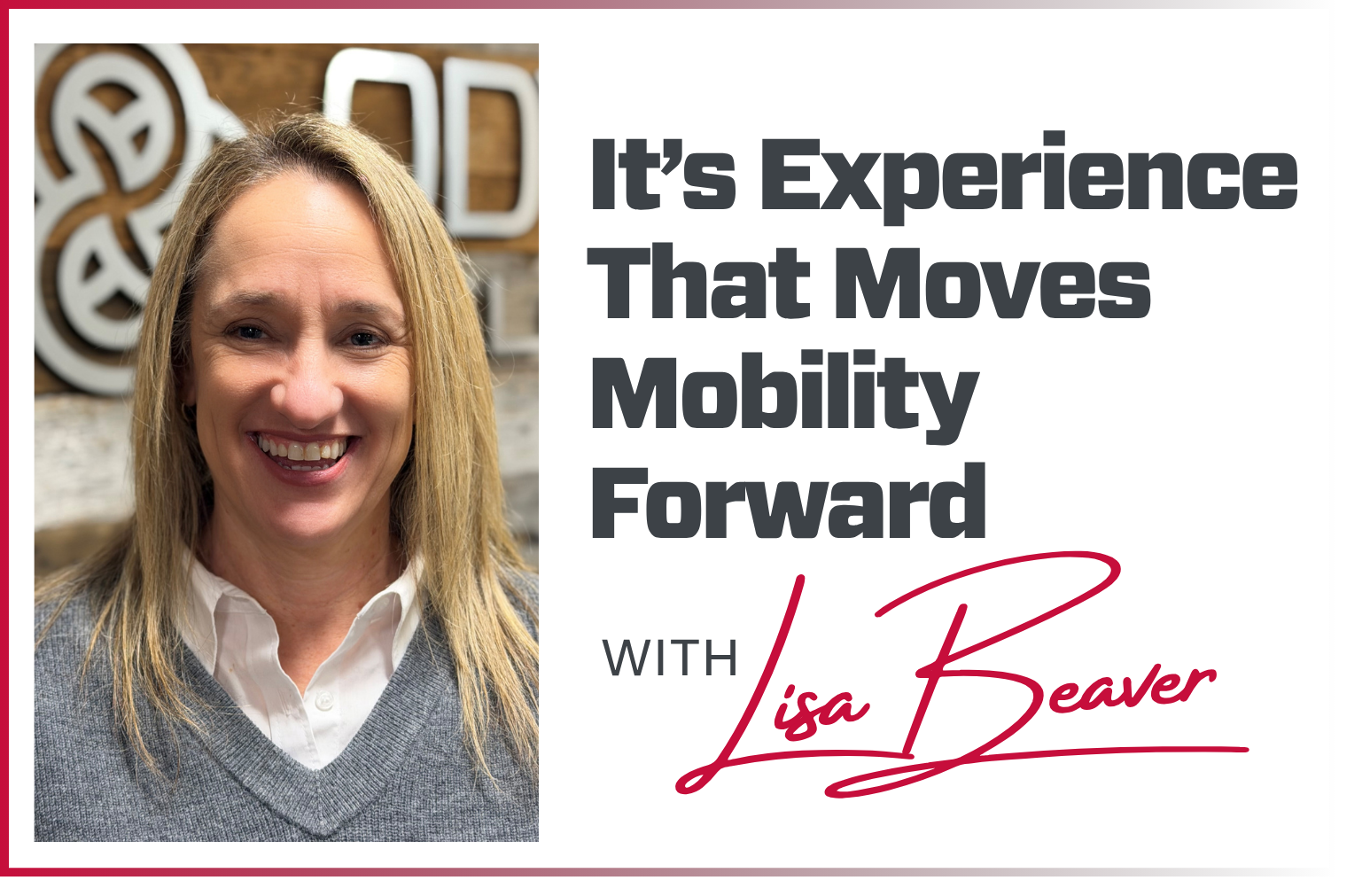
We recently chatted with our newest member of our client services, team, Lisa Beaver about how she’s turning operational insight and client-side perspective into a smarter, more human, strategic future for global mobility.
Q: Can you share your journey into global mobility and what led you into leadership?
I actually started my relocation career in household goods, which gave me a really solid foundation in understanding of the operational side of relocation. From there, I moved into international mobility and spent about 12 years focused primarily on global assignments. During that time, I led Client Services for five years and eventually became the first account manager at the company I was with.
Later, I decided that I wanted to make the strategic move to the corporate side and spent 6.5 years running a mobility program at a large privately funded space exploration company. That experience really changed my perspective. You see the internal pressures up close. The budgets, executive expectations, and recruiting needs, and you understand how mobility fits into the bigger business picture.
Over time, I realized what I enjoyed most was mentoring others and helping teams grow. Leadership felt like a natural next step because it allowed me to shape programs while also investing in people.
Q: What does great service mean in today’s mobility environment?
To me, great service is about being strategic and thinking ahead. It’s not just about executing what’s in front of you. It’s about anticipating what might come next for both the company and the family.
I am continuously asking myself and the business, “Where could this get complicated?” “What might the family need that hasn’t come up yet?” It takes flexibility and creativity because no two relocations are the same.
At the end of the day, relocation is a big life moment. There’s emotion involved. Showing patience, empathy, and a little grace can completely change how that experience feels for a family.
Q: From your perspective, what is the biggest challenge mobility leaders are facing right now?
Budgets are tight. That’s the reality.
Mobility programs are under scrutiny, and leaders are being asked to do more with less. Sometimes relocation gets viewed purely as an expense, so mobility leaders have to consistently explain the bigger picture, how mobility supports hiring, fills key roles, and helps retain talent. At the same time, family dynamics have shifted a lot over the last decade. We’re seeing dual-income households, multi-generational living situations, caregiving responsibilities, and more complex family needs overall. Which is in direct opposition to tighter budgets.
If companies don’t take those realities into account, candidates may decline offers which could lead to slower growth for organizations. Programs have to reflect how people actually live today.
Q: We’re entering an AI-driven era in relocation. How do you balance technology with high-touch service?
There’s a lot of behind-the-scenes work in relocation that has traditionally been manual and time-consuming and has the opportunity for error. I see AI as a tool that can clearly help in those areas. I do not see it at least in today’s form as something that replaces the human element and experienced people. If AI can streamline documentation, reporting, and administrative tasks, that gives consultants something incredibly valuable, their time. And that time can be spent where it matters most, in conversations, in guidance, in helping families feel supported during what is often a very emotional transition.
Relocation isn’t just logistics. It’s change. It’s uncertainty. Technology should help us deliver even stronger human support, not reduce it.
Q: Why did you choose Odyssey as your next step?
Two things stood out right away.
The first was the people. There’s a lot of tenure across the operational teams, and that depth and experience ensure that we can stand behind the service we promise and as we look to grow and expand our business, having a tenured team helps bring the company together as they work towards the same goal.
The second was the focus and commitment to technology. There’s real investment and development happening here. It’s thoughtful and intentional. I wanted to be part of an organization that’s actively shaping where mobility is going, not just reacting to it. I believe that both the speed and investment in AI will transform Odyssey and the industry.
That combination made the decision easy.
Q: What is your top priority in your first year at Odyssey?
I want to make sure we’re really bringing the client’s voice into account management.
Having run a mobility program myself, I know how important it is that reporting and insights actually help mobility leaders internally. Data shouldn’t just be something we send over. It should help clients make decisions, manage budgets, and demonstrate value to their leadership teams.
I want to look at what we’re delivering and make sure it truly aligns with what our clients need day to day.
Q: What is the biggest lesson you’ve learned as a mobility leader?
Every family is different.
Policies are important. They give structure. But they can’t be rigid.
I’ve worked with families navigating disabilities or unique caregiving situations where the standard policy simply didn’t fit. For example, if a policy doesn’t allow children on a look-see trip but that child’s presence is critical for the family to make a decision, we have to step back and reassess.
Flexibility in those moments can determine whether a move succeeds or falls apart. Mobility has to stay human-centered.
Q: One word that defines your leadership style?
Transparent.
For me, that means being clear, being fair, and treating people with respect. Leadership is about setting expectations, communicating openly, and making thoughtful decisions that balance business needs with the human side of the work.
Q: What professional accomplishment are you most proud of?
I would have to say that building and running a mobility program from the ground up was incredibly rewarding. But I’m also proud of the opportunity I had to lead other HR functions, like recruiting and contract labor.
That experience helped me understand how relocation fits into the broader talent strategy. Mobility isn’t isolated. It connects directly to workforce planning and hiring goals. Seeing that bigger picture changes how you design and advocate for a program.
 Q: Outside of work, what recharges you?
I love kayaking. It’s one of the best ways for me to reset.
My family also collects old Volkswagens, and we enjoy restoring them and going to car shows.